

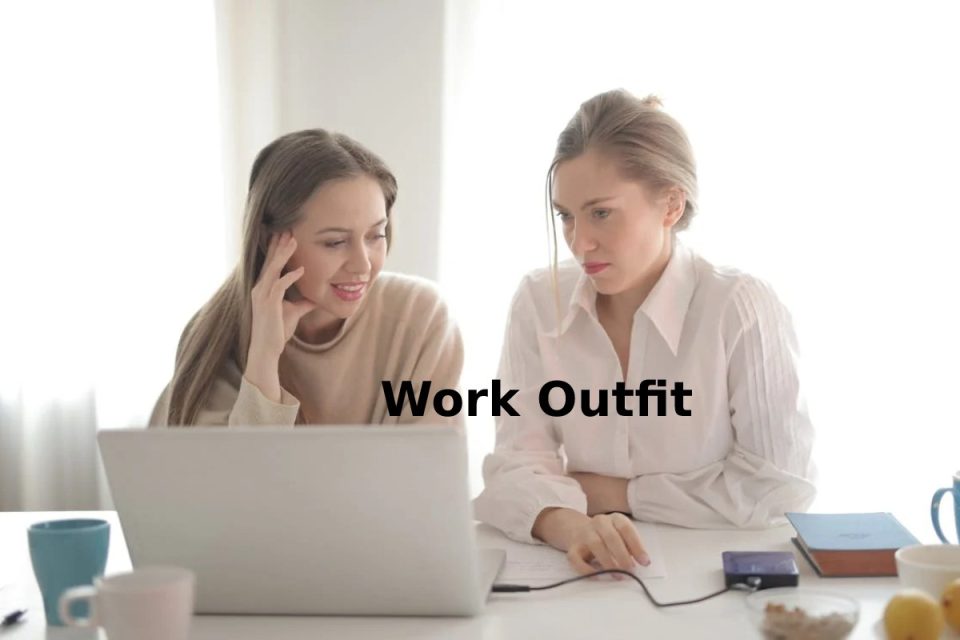
A work outfit is a curated ensemble of clothing and accessories worn in a professional environment. It balances workplace dress code requirements with personal style, comfort, and functionality. Work outfits range from formal suits to casual separates, depending on industry, company culture, and role.
Table of Contents
What is a Work Outfit?
A work outfit is more than just clothing—it’s a communication tool that conveys professionalism, competence, and cultural fit. The table below breaks down the key components that define a work outfit across different settings.<
| Component | Formal Work Outfit | Business Casual | Smart Casual | Casual/Startup |
|---|---|---|---|---|
| Top | Button-down shirt, silk blouse | Polo shirt, knit sweater, tailored blouse | Quality t-shirt, casual button-down, sweater | Branded t-shirt, casual henley, hoodie |
| Bottom | Tailored trousers, pencil skirt | Chinos, dark jeans, A-line skirt | Well-fitted jeans, corduroys, casual trousers | Dark jeans, casual chinos, shorts (seasonal) |
| Outerwear | Blazer, suit jacket | Cardigan, casual blazer, structured jacket | Denim jacket, lightweight bomber | Fleece, casual jacket, or none |
| Footwear | Oxfords, loafers, pumps | Ankle boots, ballet flats, clean sneakers | Fashion sneakers, desert boots, loafers | Clean sneakers, casual flats, boots |
| Accessories | Minimal jewelry, leather watch, structured bag | Simple jewelry, functional bag, belt | Minimal accessories, backpack, casual watch | Minimal to none |
What to Wear to Work
Choosing the right outfit depends on your industry, role, and company culture. Use this table to navigate common workplace dress codes.
| Dress Code | Women | Men | Key Guidelines |
|---|---|---|---|
| Formal / Business Professional | Tailored suits (skirt or pants), silk blouses, closed-toe pumps, minimal jewelry | Two-piece suits (navy, charcoal, black), dress shirts, silk ties, leather oxfords | Highest level of polish; conservative colors; no visible logos |
| Business Casual | Blazers with trousers or skirts, knit tops, blouses, loafers or ankle boots | Dress pants or chinos, button-down shirts (tie optional), blazers optional, leather shoes | Most common dress code; professional yet comfortable |
| Smart Casual | Dark jeans, quality tops, cardigans, fashionable flats or clean sneakers | Dark jeans, polo shirts, casual button-downs, desert boots or clean sneakers | Polished but relaxed; emphasis on fit and quality |
| Creative / Casual | Statement pieces, bold colors, denim, fashionable sneakers, artistic accessories | Well-fitted jeans, quality t-shirts, casual jackets, clean sneakers | Encourages self-expression; still requires neatness |
| Uniform / Trade | Company-provided attire, durable fabrics, closed-toe safety shoes, minimal jewelry | Company-provided attire, durable fabrics, safety equipment as required | Prioritizes safety, functionality, and brand representation |
What is the 3-3-3 Rule for Clothes?
The 3-3-3 rule is a capsule wardrobe principle designed to simplify dressing while maximizing versatility. It ensures you have a cohesive, interchangeable wardrobe without decision fatigue.
| Rule Component | Description | Example for Work |
|---|---|---|
| 3 Tops | Three tops that coordinate with all bottoms | White button-down, navy silk blouse, striped knit sweater |
| 3 Bottoms | Three bottoms that fit well and suit your workplace | Tailored black trousers, camel chinos, dark wash jeans |
| 3 Shoes | Three pairs of shoes that match all combinations | Black loafers, nude pumps, clean white sneakers |
How to Apply:
- Choose neutral or complementary colors that mix and match easily.
- Invest in quality fabrics that withstand repeated wear.
- Add accessories (scarves, jewelry, belts) to create variety without adding bulk to your wardrobe.
Benefits:
- Reduces morning decision fatigue
- Saves money on unnecessary purchases
- Ensures all items are versatile and well-loved
- Makes packing for work trips effortless
Casual Office Outfits for Work for Both Men and Women
For offices with casual or smart casual dress codes, comfort and professionalism can coexist. Below are outfit ideas organized by gender and style preference.
| Style | Women’s Outfit | Men’s Outfit | Key Pieces |
|---|---|---|---|
| Polished Casual | Dark wash skinny jeans, white silk blouse, beige cardigan, leather loafers | Dark slim-fit jeans, light blue button-down shirt, navy sweater, brown leather boots | Well-fitted denim, quality knits, leather accessories |
| Comfortable & Chic | Black ponte knit pants, oversized cashmere sweater, white sneakers, structured tote | Charcoal chinos, merino wool crewneck sweater, clean white sneakers, canvas tote | Knitwear, stretch fabrics, minimalist sneakers |
| Layer-Focused | Midi slip dress, denim jacket, ankle boots, crossbody bag | Oxford shirt under a quarter-zip sweater, dark jeans, desert boots | Layering pieces that add dimension |
| Weekend Vibe | Tailored joggers, striped boatneck top, fashion sneakers, minimalist jewelry | Well-fitted henley, dark jeans, casual blazer, clean sneakers | Elevated casual staples, intentional accessories |
| Seasonal Casual | Linen trousers, short-sleeve blouse, espadrilles (summer); wool trousers, turtleneck, ankle boots (winter) | Linen shirt, chino shorts (seasonally appropriate), loafers (summer); wool coat, sweater, boots (winter) | Seasonal fabrics and appropriate coverage |
Best Brands with Price Comparison
Investing in quality workwear pieces ensures longevity, comfort, and a polished appearance. Below is a comparison of top brands across price points.
| Brand | Best For | Price Range (Per Item) | Quality Level | Sustainability | Where to Buy |
|---|---|---|---|---|---|
| Uniqlo | Basics, layering pieces, affordable workwear | $20–$80 | Good for price | Some eco-friendly initiatives | In-store, online |
| Banana Republic | Business casual staples, suiting, elevated basics | $50–$250 | Very good | Limited recycled materials | Online, outlet |
| J.Crew | Smart casual, blazers, chinos, versatile separates | $40–$200 | Good | Some sustainable lines | Online, in-store |
| Everlane | Ethical basics, modern silhouettes, transparency | $30–$150 | Very good | High (radical transparency) | Online only |
| MM.LaFleur | Women’s workwear, wrinkle-resistant, travel-friendly | $150–$400 | Excellent | Moderate | Online, showrooms |
| Theory | Minimalist suiting, luxury basics, investment pieces | $150–$500 | Excellent | Low | Department stores, online |
| Zara | Trend-driven workwear, seasonal styles | $30–$150 | Fair to good | Low (fast fashion) | In-store, online |
| COS | Architectural designs, high-quality fabrics, minimalist | $60–$250 | Very good | Moderate | Online, select stores |
| Lululemon | Work-appropriate athletic wear, comfort-focused | $70–$200 | Very good | Limited | In-store, online |
| Charles Tyrwhitt | Men’s dress shirts, suits, business essentials | $50–$300 | Very good | Moderate | Online, select stores |
Budget Tips:
- Invest in foundational pieces (blazers, trousers, quality shoes) from mid-to-high tier brands.
- Supplement with trend pieces from affordable retailers.
- Shop off-season and outlet stores for significant savings.
- Consider second-hand platforms (The RealReal, Poshmark, eBay) for luxury brands at reduced prices.
Conclusion
Building a functional work wardrobe doesn’t require an unlimited budget or a massive closet. The key is understanding your workplace dress code, investing in versatile staples that mix and match seamlessly, and prioritizing fit and fabric quality over quantity.
Whether your office demands formal suiting or embraces casual creativity, the principles remain the same:
- Follow the 3-3-3 rule to simplify choices and maximize versatility.
- Invest in foundational pieces from reliable brands that suit your budget.
- Prioritize comfort and fit—clothing that fits well always looks more professional.
- Express your personal style within the boundaries of your workplace culture.
A well-curated work wardrobe saves time, reduces stress, and ensures you present yourself with confidence every day.FAQs
1. What is the difference between business casual and smart casual?
Business casual is more structured—typically chinos, blazers, button-down shirts, and loafers. Smart casual allows for more relaxed pieces like dark jeans, quality t-shirts, fashion sneakers, and denim jackets while maintaining a polished overall appearance.
2. Can I wear jeans to work?
It depends on your office dress code. For business casual and smart casual environments, dark wash, well-fitted jeans without rips or distressing are generally acceptable. For formal or traditional offices, jeans are typically not permitted.
3. What shoes are appropriate for work?
- Formal: Oxfords, loafers, pumps, closed-toe heels
- Business Casual: Ankle boots, ballet flats, loafers, clean leather sneakers
- Casual: Clean white sneakers, desert boots, fashionable flats
Avoid flip-flops, athletic sneakers (unless commuting), and overly distressed footwear in most professional settings.
4. How do I dress professionally on a budget?
-
Start with five core pieces from affordable brands like Uniqlo or H&M.
- Shop second-hand for blazers and trousers.
- Focus on fit—tailoring a $30 item often looks better than an ill-fitting $200 item.
- Build slowly over time rather than purchasing everything at once.
5. What colors are best for a work wardrobe?
Neutral colors offer the most versatility:
- >Navy, charcoal, black, camel, white, cream, olive
- Add accent colors through accessories or one statement piece
- h”>Avoid overly bright or neon shades unless your workplace is creative or casual
6. How many work outfits do I really need?
A minimalist work wardrobe typically includes:
- 3–5 tops
-
3–4 bottoms
- 2–3 pairs of shoes
- 1–2 blazers or cardigans
- 3–5 accessories
This combination yields 15–20 unique outfits using the 3-3-3 principle.
7. Can I wear sneakers to work?
In business casual and casual offices, clean, minimalist sneakers (white leather, neutral colors) are increasingly acceptable. Avoid bright athletic sneakers, worn-out trainers, or shoes with visible logos unless your workplace culture explicitly allows them.
8. What fabrics work best for workwear?
-
Wrinkle-resistant: Wool blends, ponte knit, polyester blends
- Breathable: Cotton, linen (for summer), merino wool
- Travel-friendly: Knit blazers, stretch trousers, wrinkle-free shirts
-
Avoid: 100% linen (unless steamed), heavy synthetics that trap heat
Write For Us
Are you a fashion stylist, HR professional, wardrobe consultant, or style enthusiast? We are looking for high-quality guest posts about workplace fashion, capsule wardrobes, dressing for interviews, and industry-specific style guides.
We accept articles on:- Industry-specific dress codes (tech, law, creative, healthcare)
- Seasonal workwear guides
- Sustainable and ethical work fashion
- Budget-friendly professional wardrobe building
- Style tips for body types and genders
Requirements:
- Original content (1,200+ words)
- Actionable advice with clear formatting
- Tables, bullet points, and visuals where helpful
- No spammy affiliate links without disclosure